Education
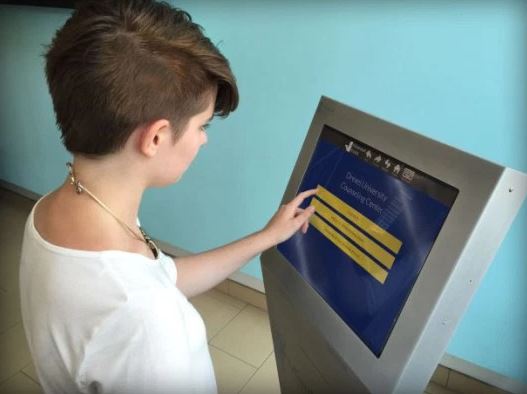
(photo from Drexel University)
In 2015, Drexel University installed a MindKare kiosk, a project being run by Screening for Mental Health (SMH) to give the general public a new way to reach out for help. In an article by the Scientific American, “The touch-screen tablet screens students and faculty for conditions ranging from depression to substance abuse to bipolar disorder. Drexel has encouraged students to get a “check-up from the neck up” and the kiosks are now popping up on other campuses like Montgomery County Community College”. The MindKare kiosk is meant to give screenings and wellness recommendations to students as another way to look for resources in addition to the counseling center. To see a video about this kiosk, click here
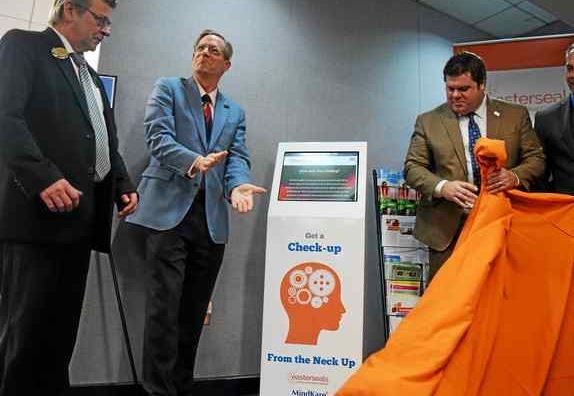
(Oakland University, The Oakland Press)
More recently, Oakland University in Rochester, Michigan, installed a MindKare kiosk in the Kresge Library in early January, 2017. This was done as a result of a collaboration between Screening for Mental Health and Easterseals Michigan. In an article from the Oakland Press, “Easterseals Michigan, a social services organization focusing on individuals with disabilities and special needs as well as several other types of mental health programs, received a $27,000 grant award from the Flinn Foundation to install the kiosk in Michigan”. Neelam Mehta, a second year clinical mental health major, had this to say of the kiosks. “It’s something we deal with and at the end of some assessments they kind of end up revealing that they’re having suicidal thoughts. I think it’s good to have this out in the open in the library, you’d be surprised how many students are seeking mental health care,” Mehta said.
Public Health
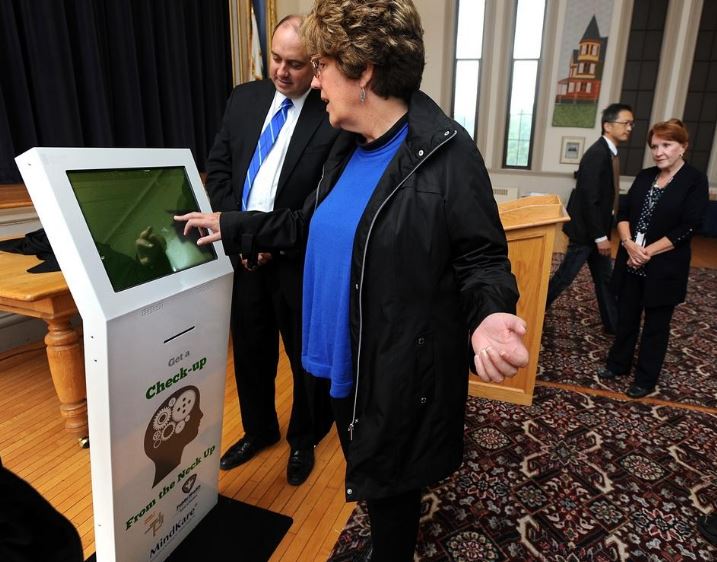
(Hudson Town Hall, ‘Wicked Local’)
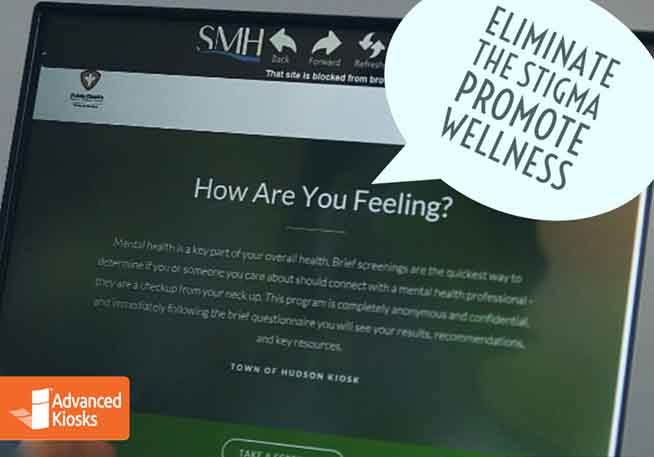
Aside from colleges and universities, these kiosks are popping up in town halls for public use. Hudson, Massachusetts, installed a kiosk in their Town Hall to promote mental health within the town. In an article written by Hudson’s “Wicked Local”, Senator Jamie Eldridge was interviewed regarding the kiosk. “People don’t know how to find a professional, they don’t know where to go to. So what’s particularly important about this kiosk is to have it here in Town Hall, a place that obviously people feel comfortable coming to, and will hopefully take advantage of the kiosk to find access to the information.” He mentioned that this would also be an effective way to aid the town in the statewide opioid addiction epidemic. By giving citizens an additional resource to combat mental illness and addiction, it reduces the stigma these people face in society.
Counseling Centers
(Summit Counseling Center)
Counseling centers have also sponsored these kiosk programs and bring the kiosks to events promoting mental wellness. At Summit Counseling Center in Johns Creek, Georgia, the kiosks are being used in the facility and for certain events. SMC is a non-profit organization funded locally by churches, schools, and civic organizations to provide awareness, education, and counseling services. Summit Counseling wrote an article for their website regarding the kiosk and included quotes from the County Commissioner Ellis. “This initiative aligns with the county’s vision of improving the health and well-being of all residents”, said County Commissioner, Bob Ellis. “The kiosk will help reach people who may not have traditionally sought help for mental health or substance abuse.” The center also rents the kiosk out to local organizations that promote mental wellness so they can bring the kiosk to their events.
MindKare kiosks have become widely popular across the United States as an additional resource for those who need it. The team at Advanced Kiosks is proud to have their freestanding and countertop models as a catalyst for this project using self-service technology to help decrease the stigma on mental health and addiction in the U.S. These kiosks, of course, are not meant to be a replacement for a mental health professional. They do, however, provide a service to people in crisis or people who would like to get an idea of what they are suffering with. Not to be confused with a tool for self-diagnoses, the MindKare kiosk can be used to set the user up with local therapist’s contact information, a general understanding of their potential condition, and coping recommendations. Instead of promoting secrecy in mental health, these kiosks are out in the open as a reminder that 42.5 million Americans live with a mental illness and that no one person should feel alone or stigmatized by their illness.
To learn more about how to get a Screening for Mental Health MindKare Kiosk, go to this link and contact SMH.
If you would like to explore the option of getting a kiosk, but don’t necessarily have the funds for it, go to “How to Get a Kiosk Using Grants”
Source Cited:
http://www.fox29.com/news/local-news/19888658-story
http://hudson.wickedlocal.com/news/20161004/hudson-town-hall-kiosk-screens-for-mental-illness
https://blogs.scientificamerican.com/mind-guest-blog/stopping-suicides-on-campus/
http://summitcounseling.org/blog/summit-counseling-center-debuts-mental-health-kiosk-at-the-north-fulton-county-mental-health-collaborative/