

Public Access to Information
Citizens arrive needing answers.
Buildings are complex. Offices are busy. Information is scattered across websites, bulletin boards, and staff desks. The result is confusion, long lines, repeated questions, and frustrated visitors before a conversation even starts.
The reality:
If people can’t quickly find where to go, what to do, or how to access information, everything downstream breaks.
What we solve:
Advanced Kiosks provide a single, self-service point of access, 24/7, for navigation, information, and discovery, welcoming visitors the moment they enter and guiding them without relying on staff availability.
Public access breaks down when information isn’t immediate, visible, and intuitive.
Government facilities face recurring challenges helping visitors orient themselves, find the right department, and move efficiently through complex buildings. Below are the most common wayfinding and welcome problems agencies encounter, along with how self-service kiosks eliminate confusion before it reaches staff.
Customer Success:
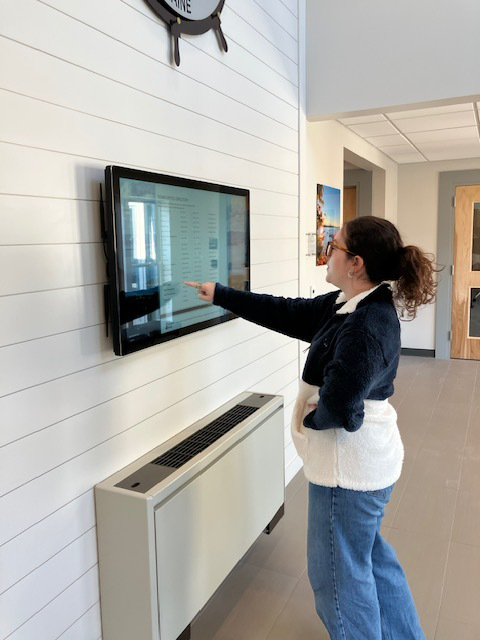
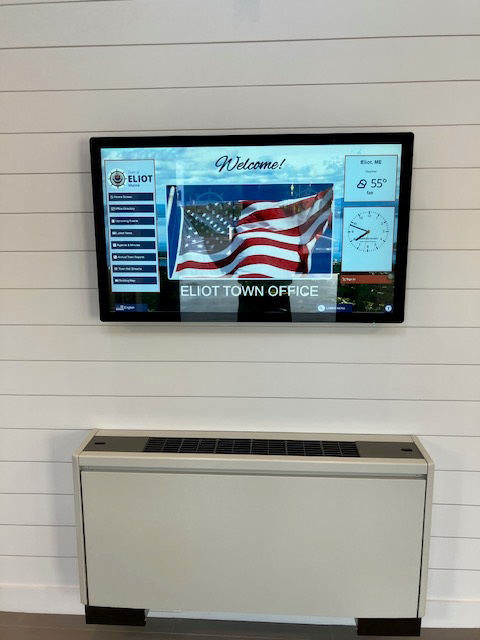
Town of Eliot, ME
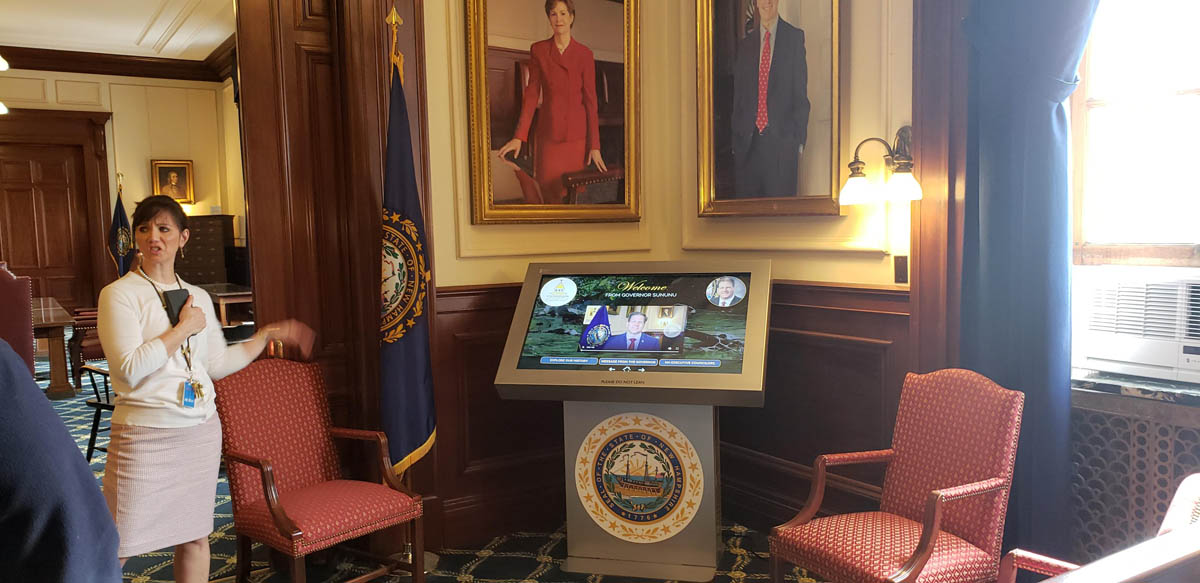
Advanced Kiosks delivered a Greeter Visitor Management System ahead of the new building’s grand opening. The system acts as a virtual receptionist in the main lobby- offering check-in/check-out capabilities, displaying an intuitive staff directory and automatically notifying employees of visitor arrivals via email or phone alerts.
Customer Success:
Prince William County Courthouse

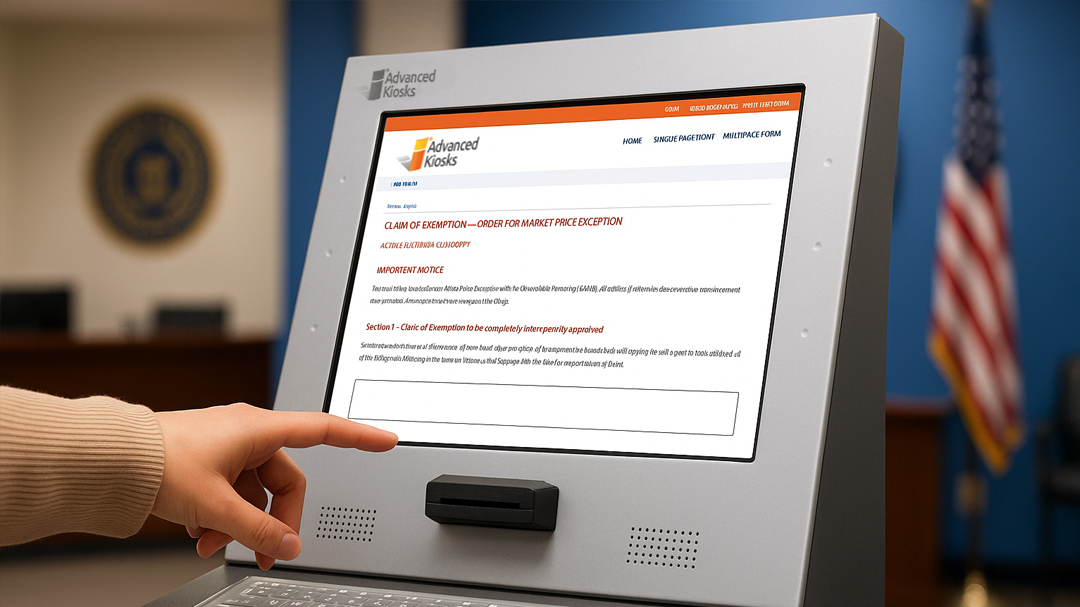
Advanced Kiosks equipped Prince William County with a growing network of kiosks offering multilingual, 24/7 access to essential court services. Now available in 11 locations, the kiosks serve over 470,000 residents.
Customer Success:
Downtown Waycross

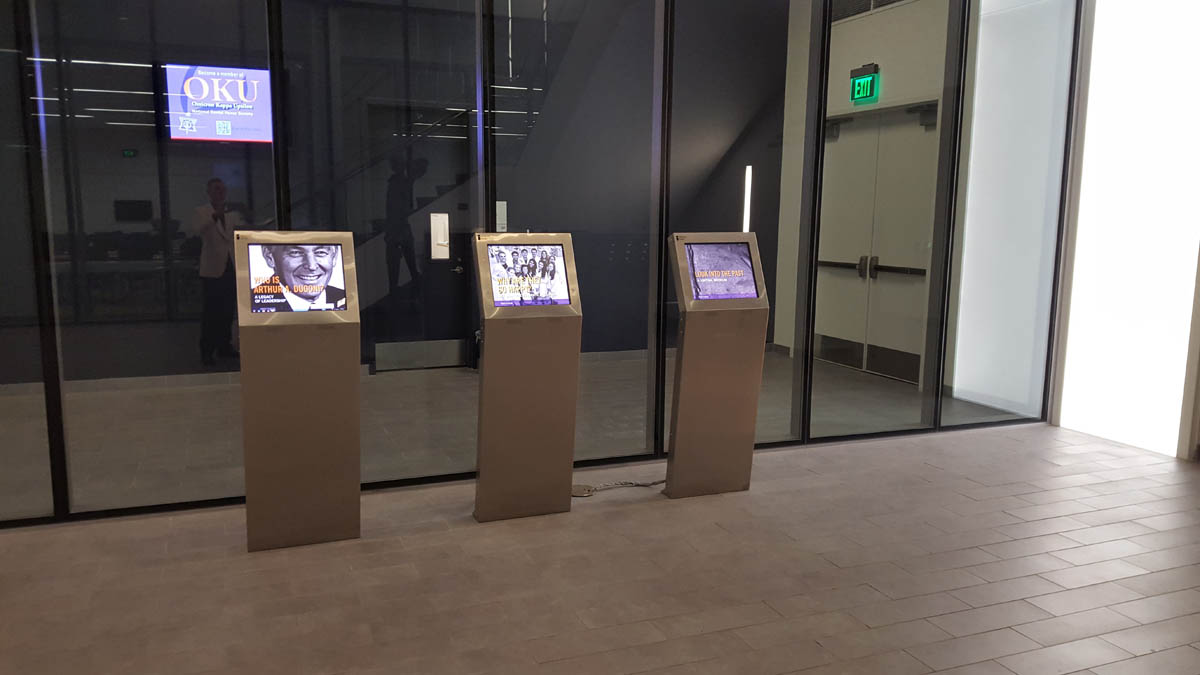
Waycross needed a modern, interactive solution that could simultaneously educate visitors, support local merchants, and highlight the area’s cultural history. The system had to be easy to manage by staff, appeal to both adults and children, and function reliably within a busy public setting.
Customer Success:
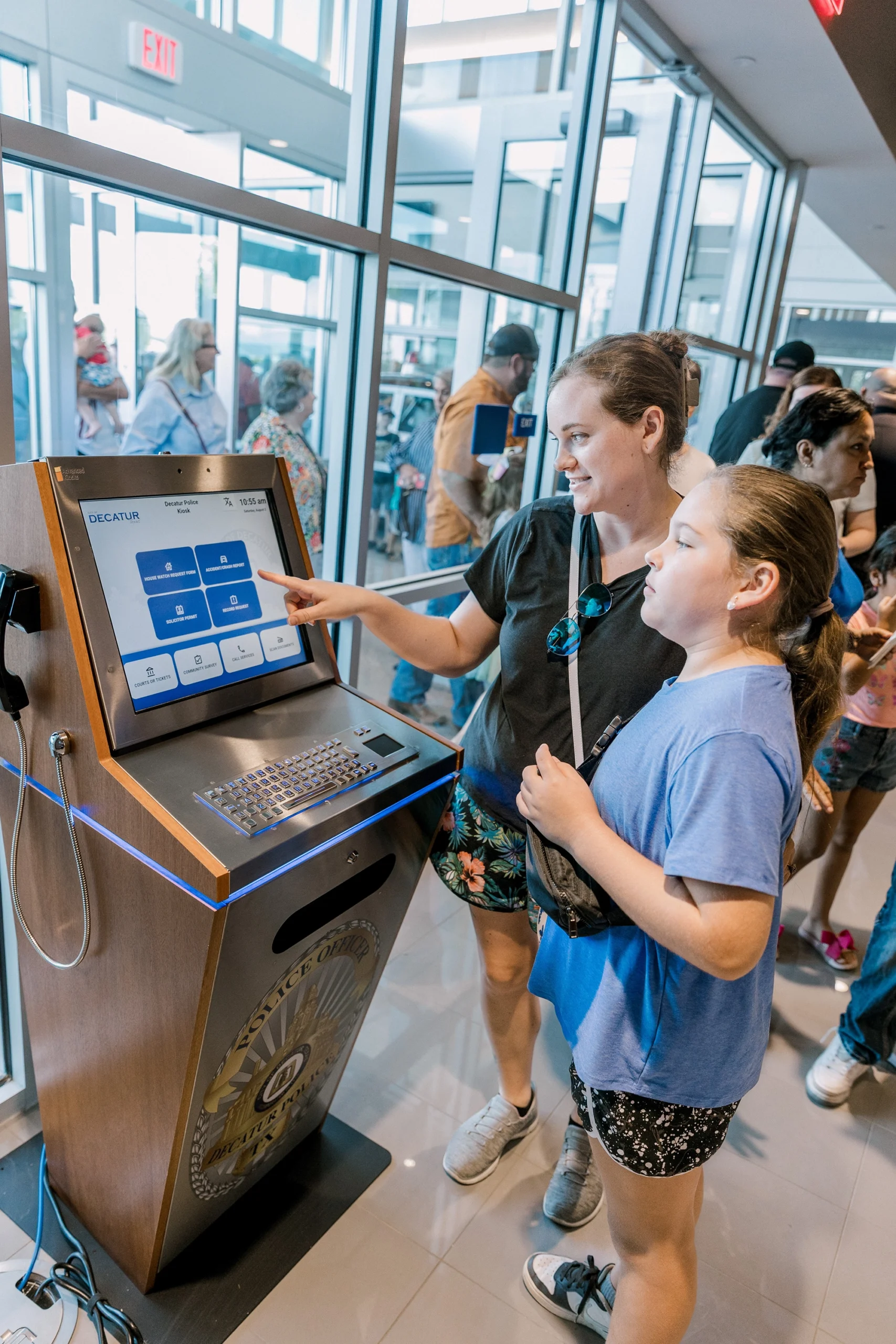
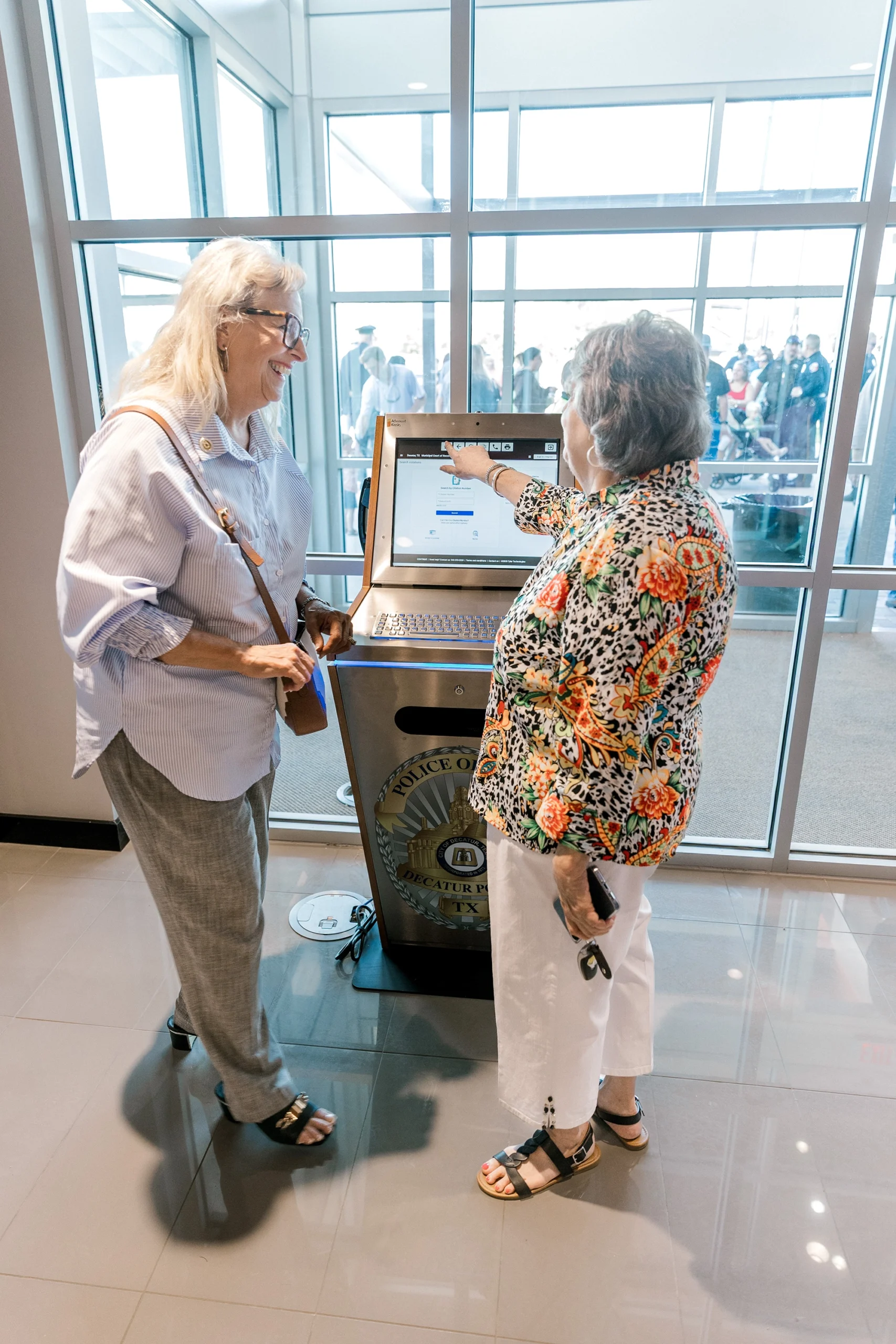
City of Decatur, TX

The City of Decatur, TX, recently opened a new “smart police station” designed to improve efficiency, accessibility, and community engagement. As part of this modern facility, the police department wanted to automate routine administrative tasks and streamline visitor management in order to reduce staff workload while providing secure, convenient service to the public.

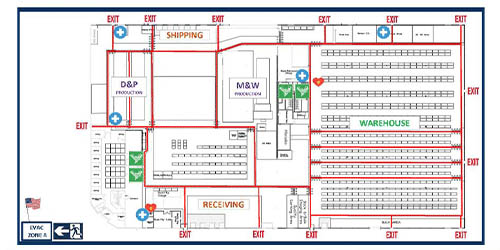
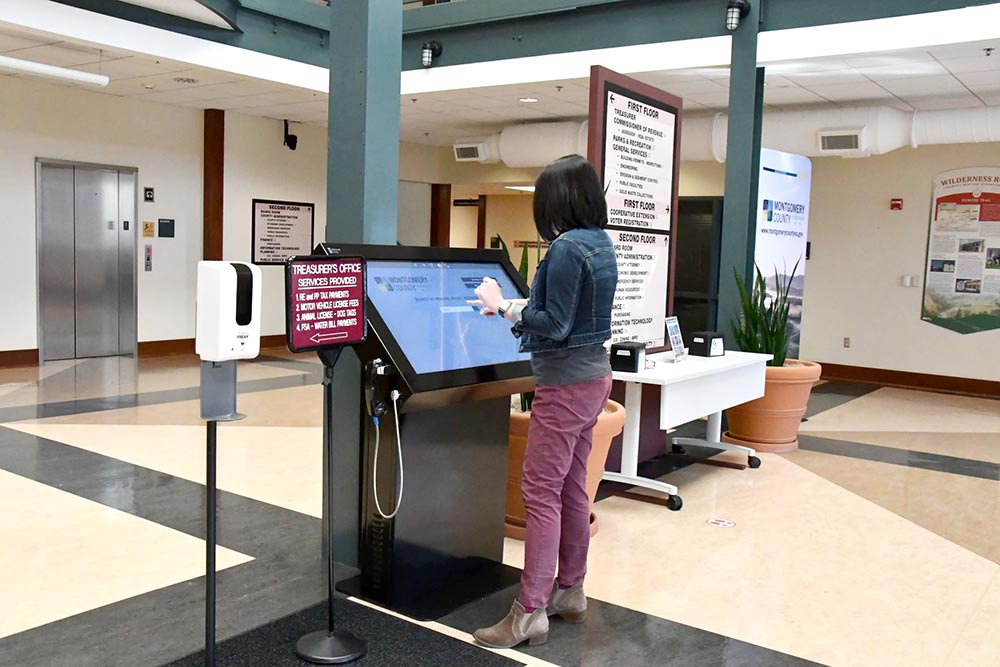

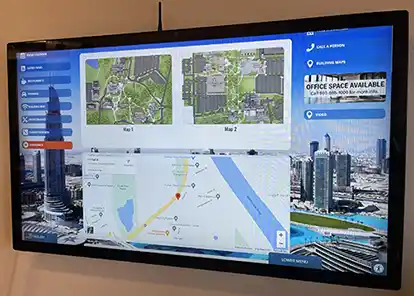
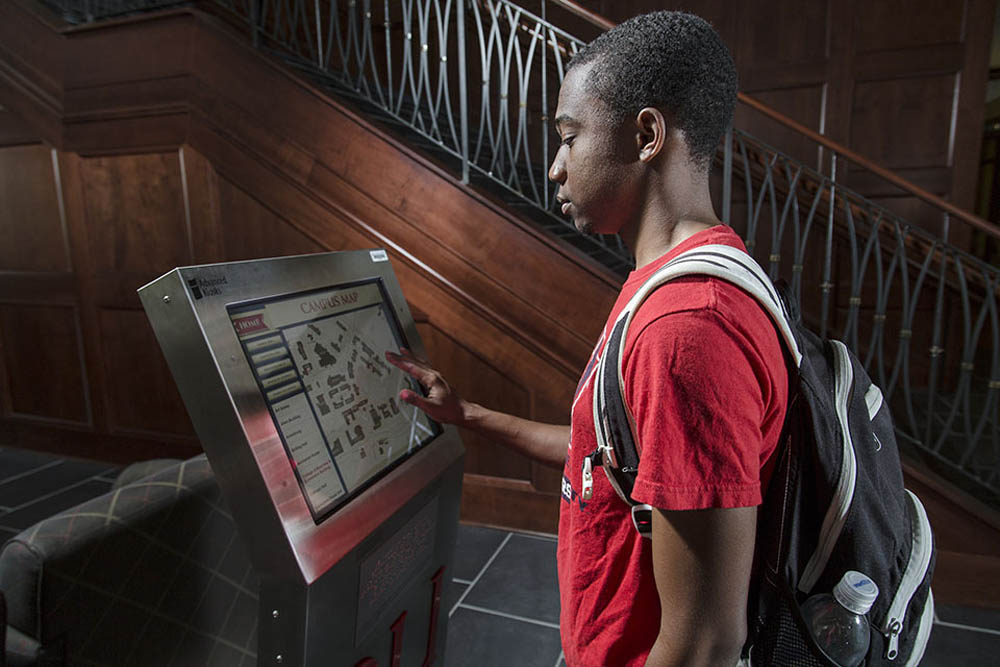
Visitor Welcome & Wayfinding
- How do visitors know where to go when there is no staffed front desk or it’s already overwhelmed?
- Is there concern about security and PII compliance when using a guest login book?
- How do buildings support accessibility and multilingual navigation at scale?
- What happens when a building directory is outdated, unclear, or posted in multiple conflicting locations?
- How do first-time visitors navigate multi-floor or multi-building facilities without stopping staff for directions?
- How much staff time is lost answering the same “Where do I go?” questions every day?
- How do agencies accommodate visitors with accessibility needs, language barriers, or appointment-based routing without manual intervention?
Solution:
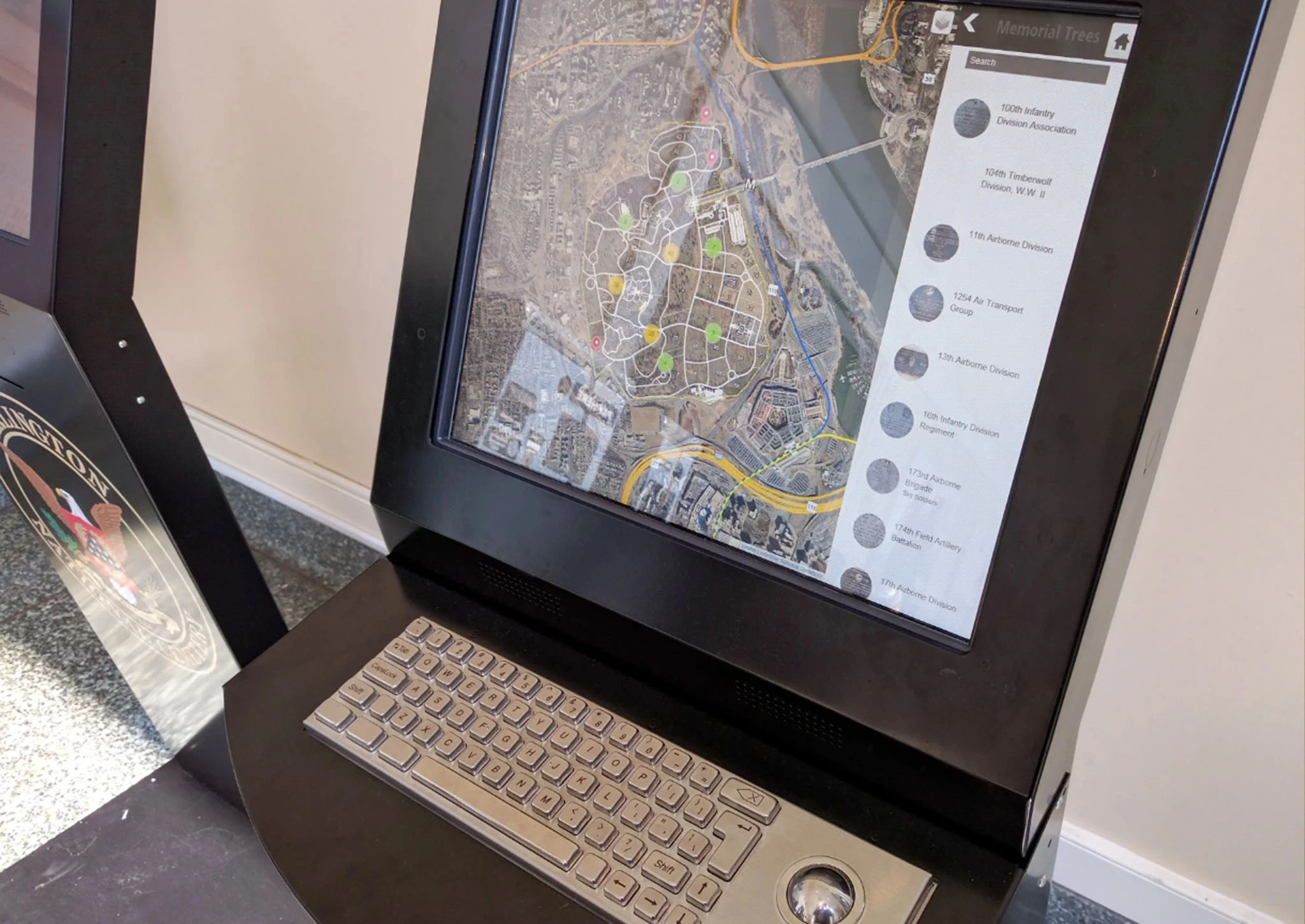
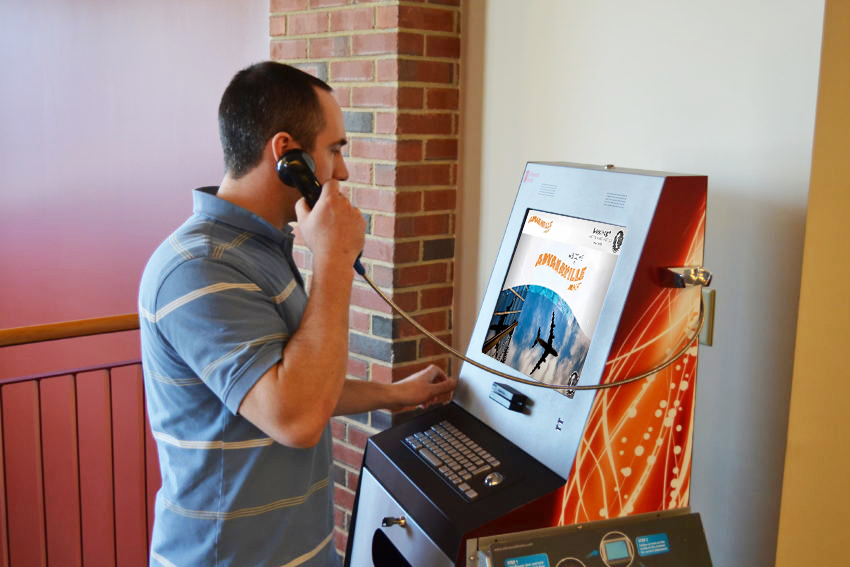
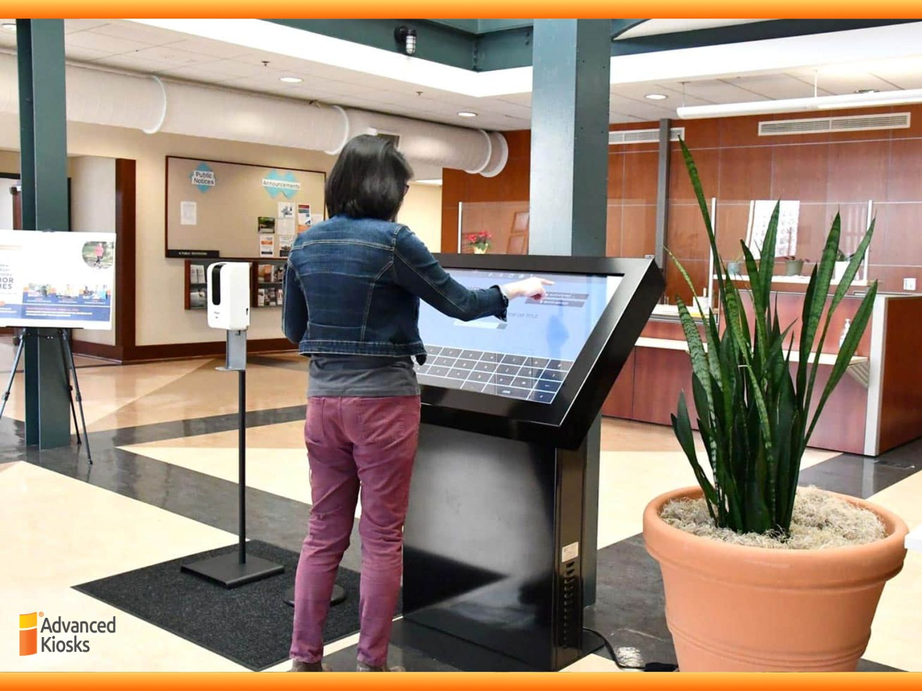
Interactive welcome kiosks provide instant orientation with maps, directories, department listings, and appointment-based routing. Visitors can search by name, service, or department and receive step-by-step directions, reducing confusion and front-desk bottlenecks. This replaces static signage with dynamic, always-updated guidance that adapts to building changes, staff moves, and temporary closures.

Document & Data Search
- How do citizens access public records and documents when staff are unavailable or already assisting others?
- What happens when forms, ordinances, and meeting materials are spread across multiple websites, offices, or filing systems?
- How much staff time is consumed responding to routine document and record requests every day?
- How can records access remain secure while still being self-service?
- How do agencies provide transparency while still controlling access to approved and up-to-date information?
- How can public access to records extend beyond normal business hours without increasing staffing costs?
Solution:
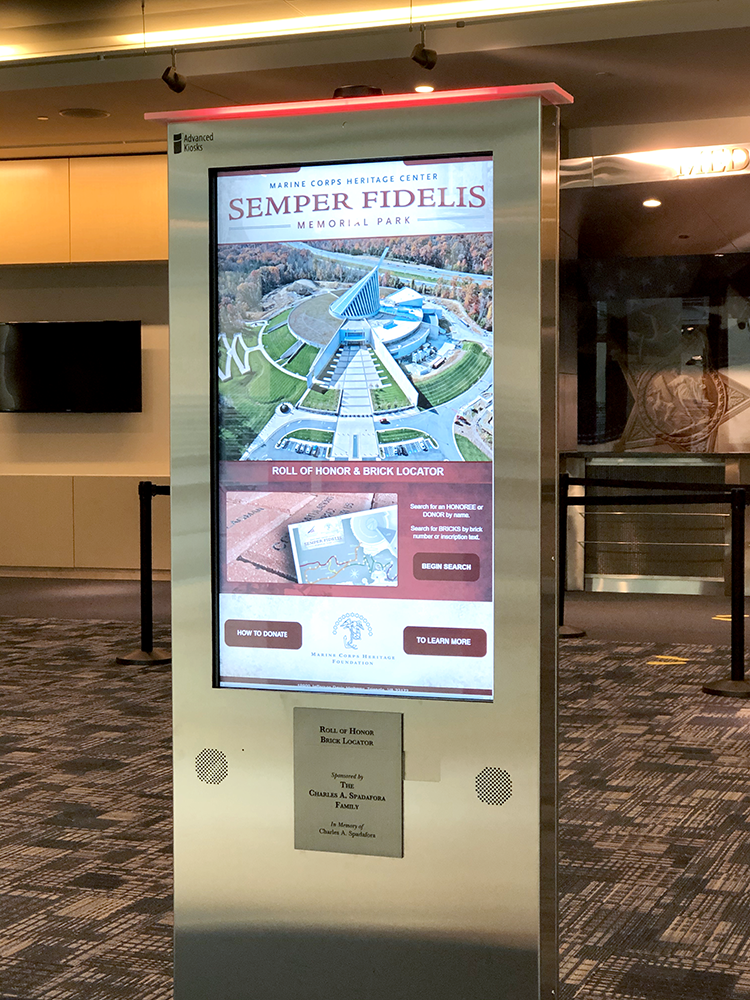
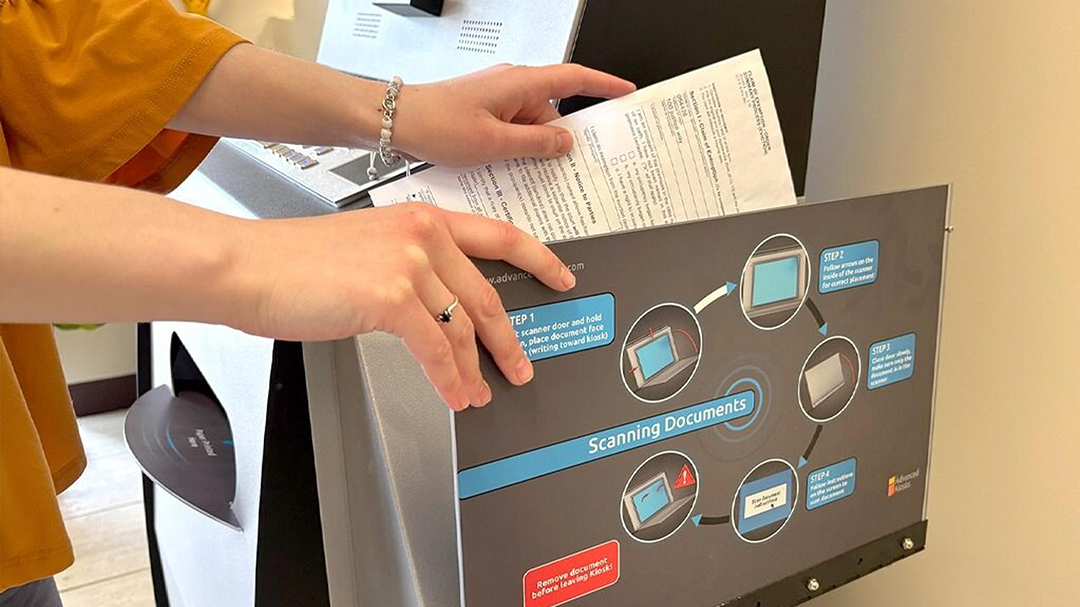
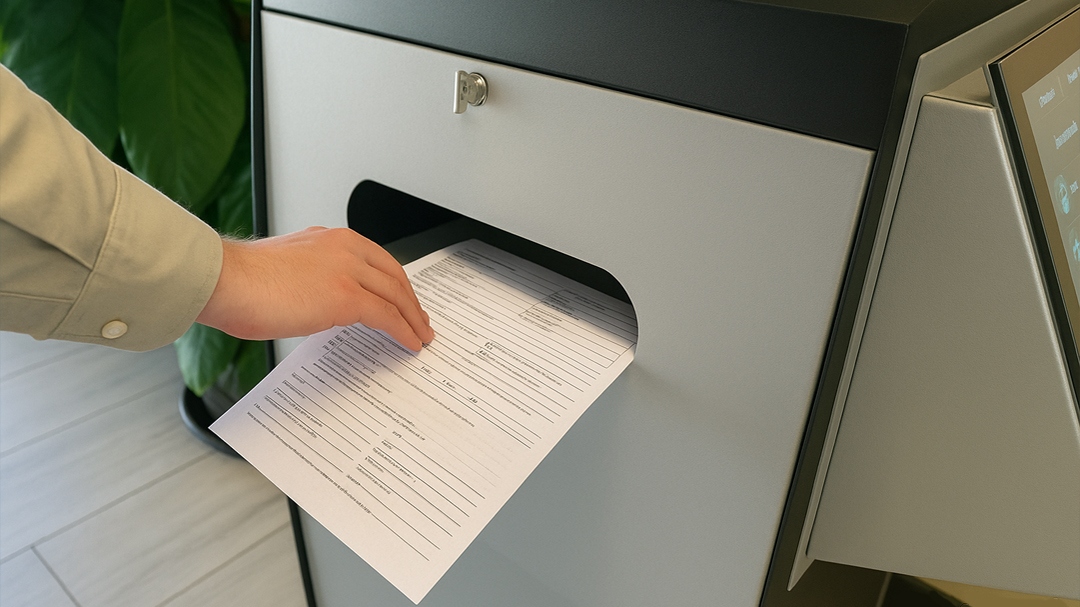
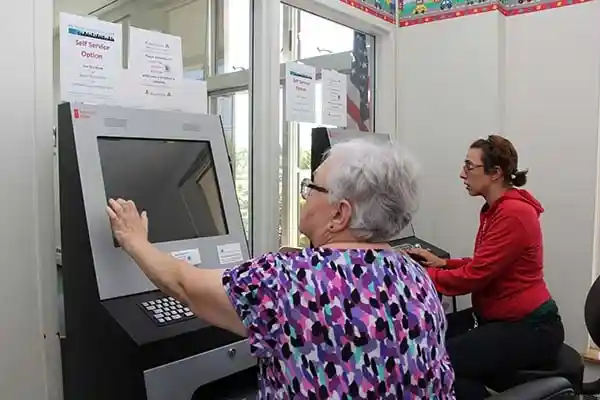
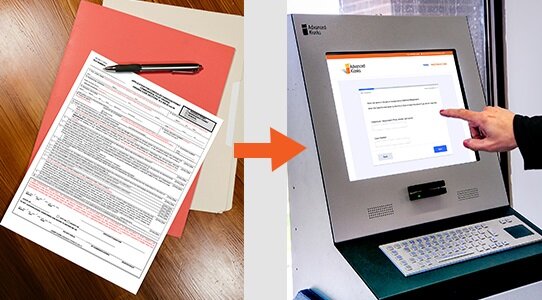
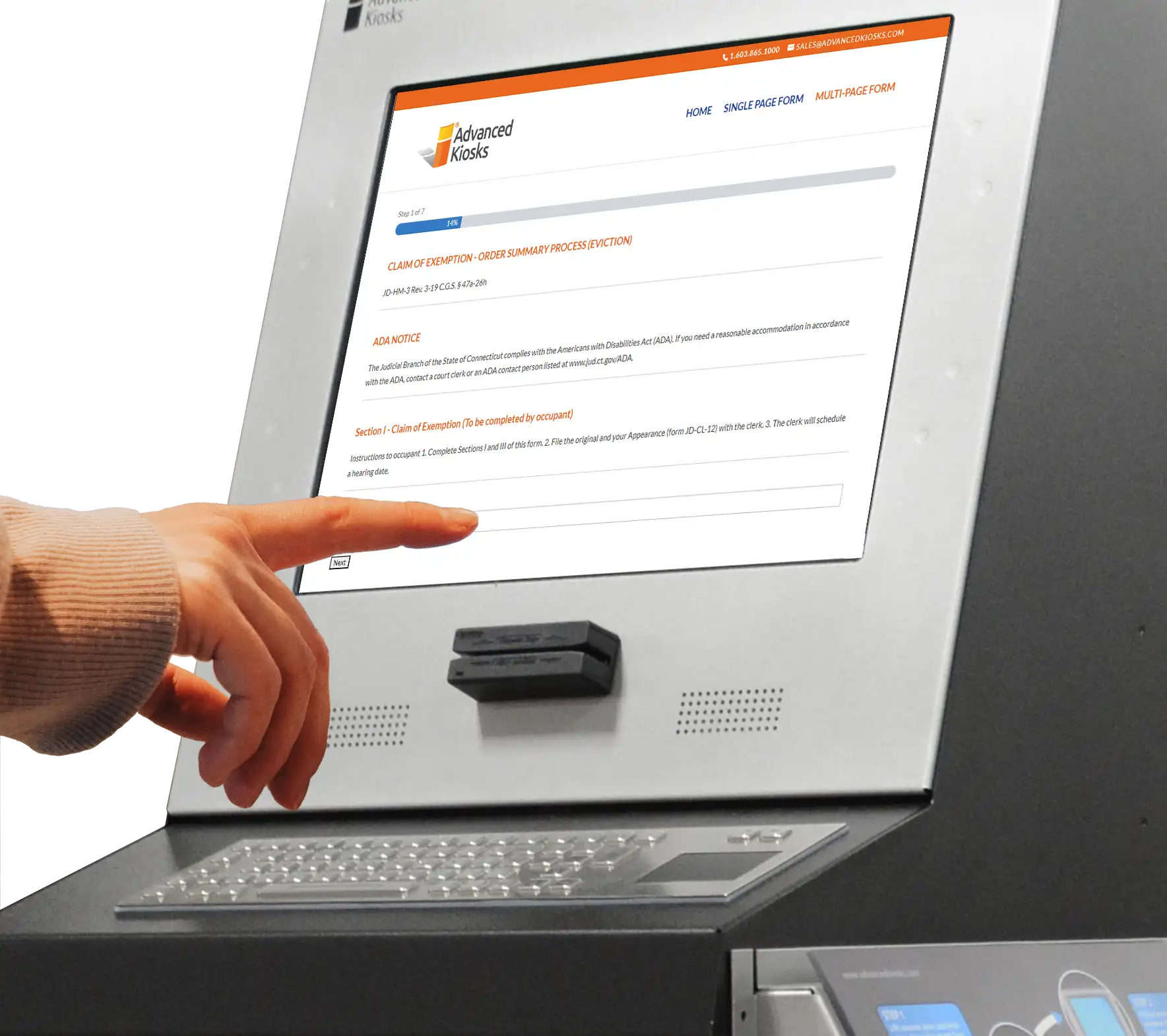
Document and data search kiosks give the public secure, 24/7 self-service access to approved records and databases. Users can search, view, scan, print, or email documents directly from the kiosk, ensuring transparency while controlling access and permissions. This reduces repetitive staff requests while expanding access to public information during and beyond office hours.
City Tourism & Museums
- How do visitors discover local attractions and events without already knowing where to look?
- What happens when tourism information is scattered across websites, pamphlets, and outdated signage?
- How do cities guide visitors to nearby destinations without relying on staffed visitor centers?
- How can municipalities promote local businesses and cultural assets in a consistent, up-to-date way?
- How do visitors orient themselves in unfamiliar downtown areas, transit hubs, or civic districts?
Solution:
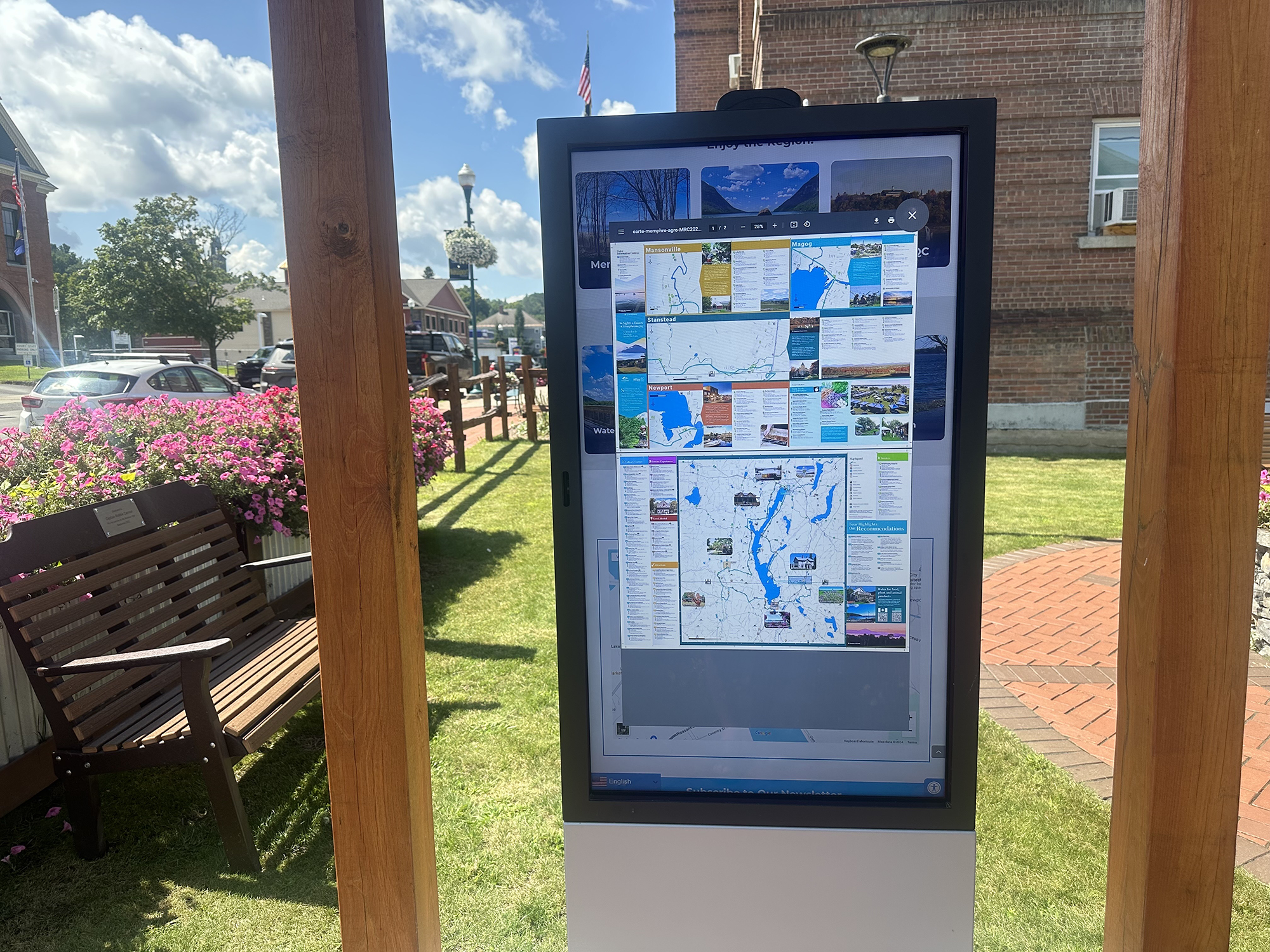
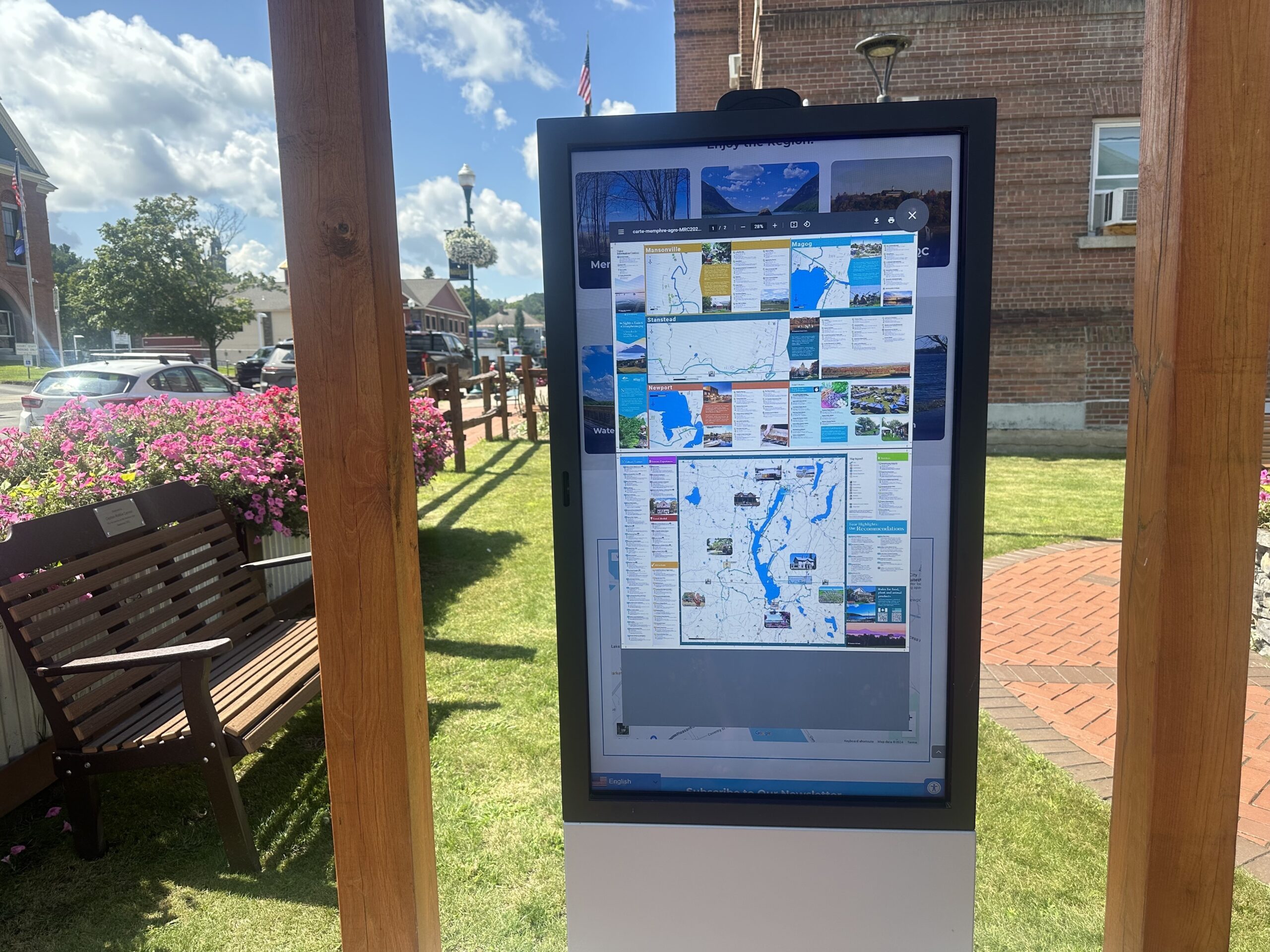
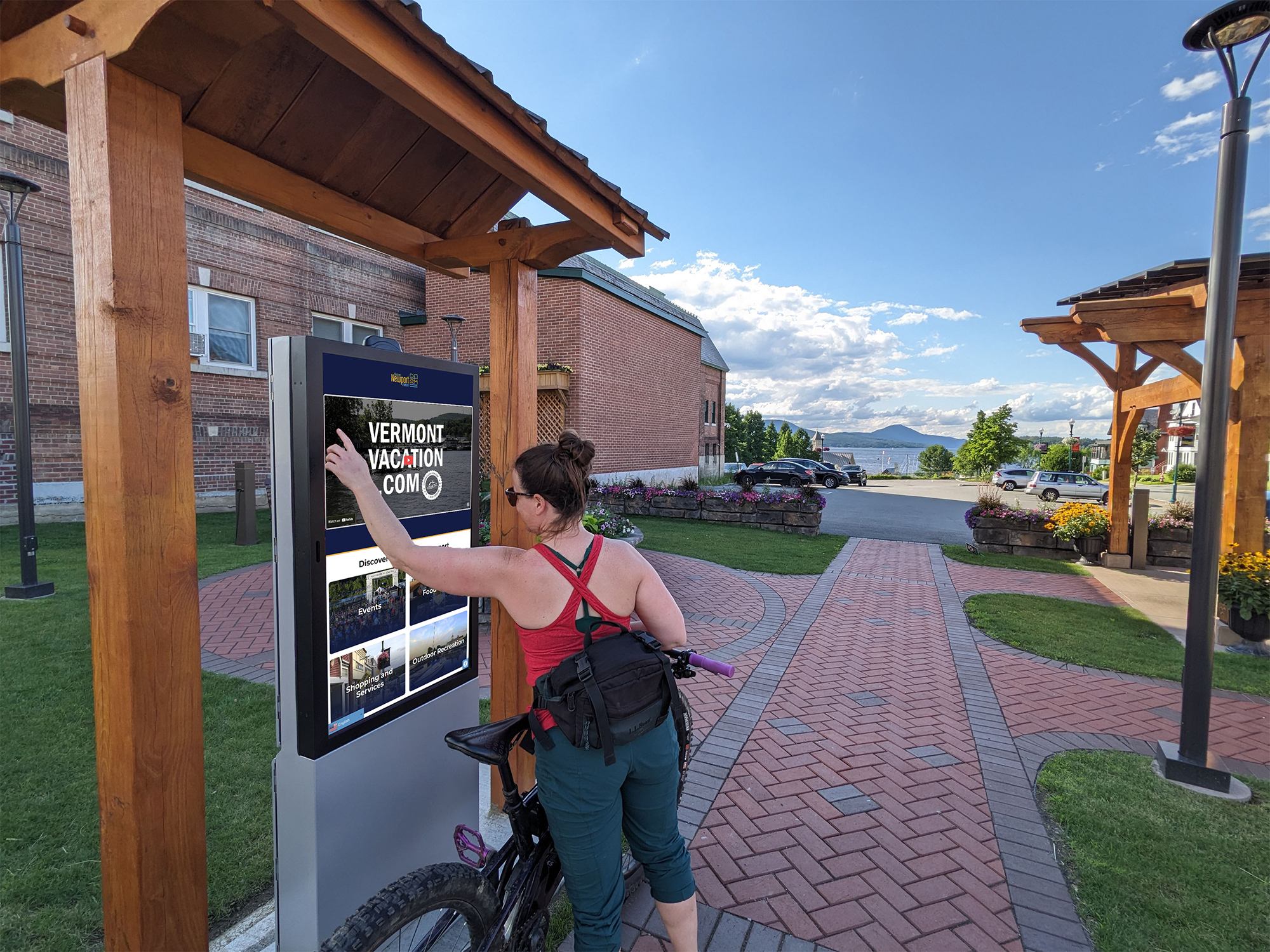
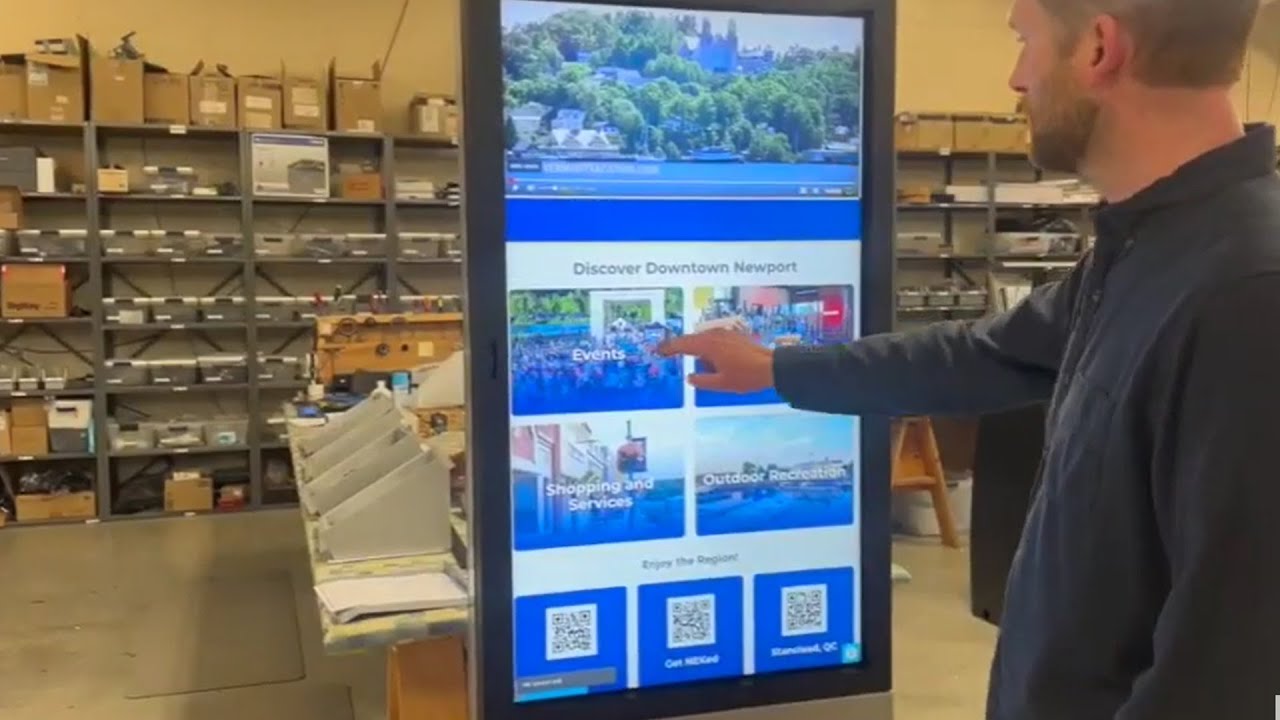
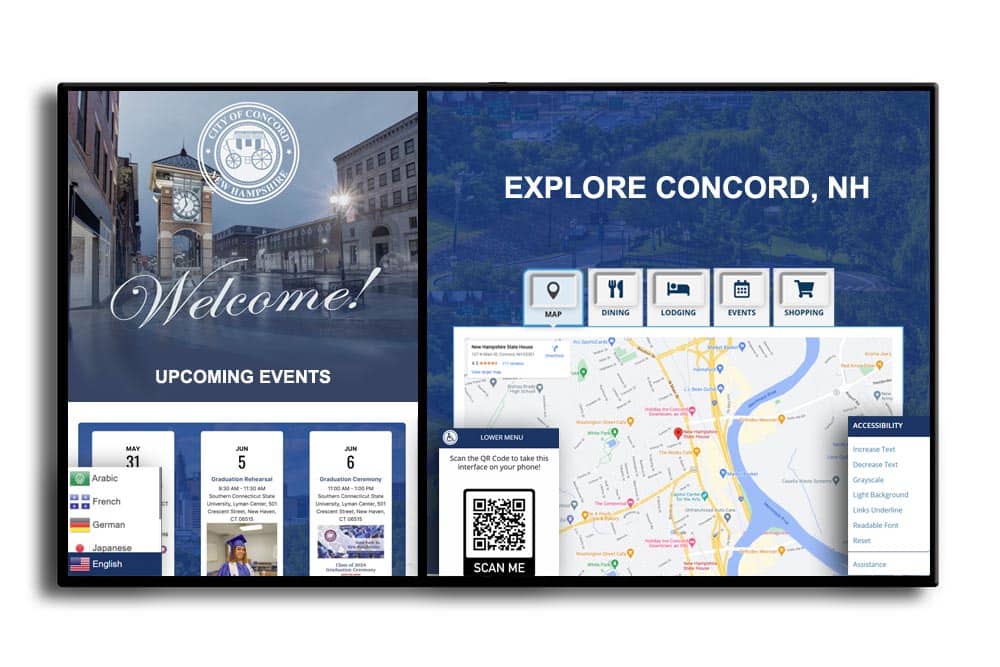
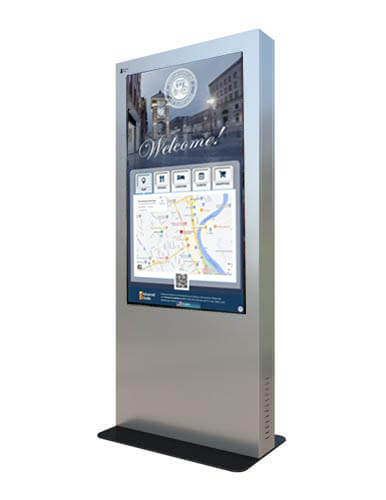
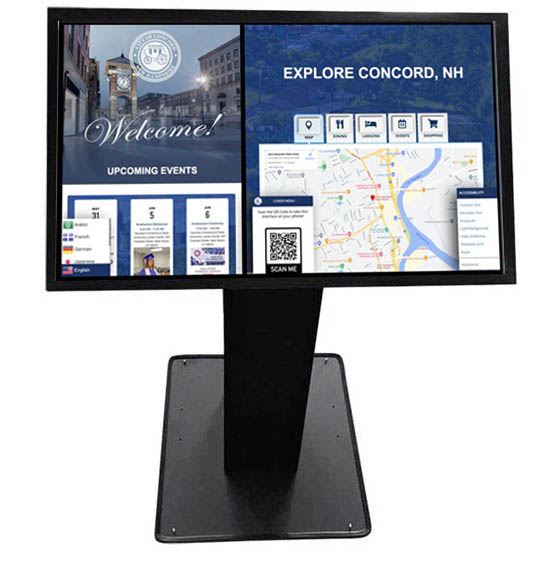
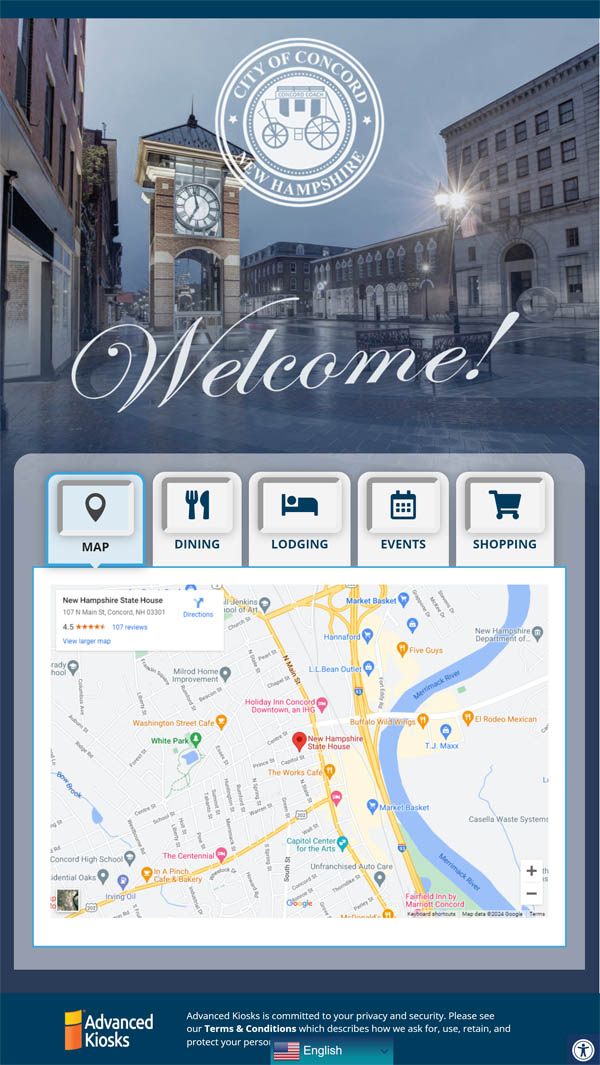
Tourism and attraction kiosks provide location-aware information about landmarks, events, transportation, dining, and city services. Interactive maps and curated content help visitors explore the area confidently while supporting local economic activity. These kiosks are ideal for city halls, transportation hubs, downtown corridors, and visitor centers.


Public Notices & Announcements
- How do agencies ensure critical public notices are actually seen by the people who need them?
- What happens when important updates are buried on websites or posted in low-visibility locations?
- How do departments keep public information current without repeatedly reprinting signage or updating multiple systems?
- How can time-sensitive notices be communicated consistently across buildings and public spaces?
- How do agencies share emergency updates or service changes without relying on staff intervention?
Solution:
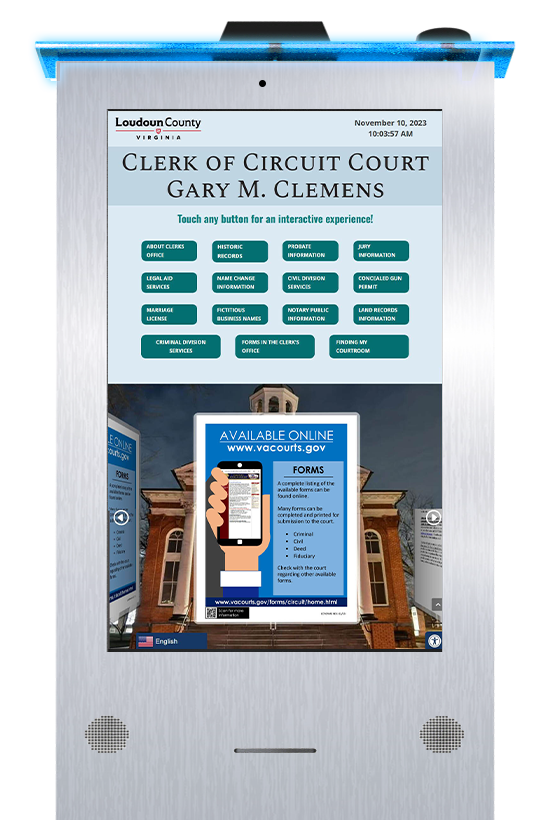
Kiosks act as a centralized, high-visibility channel for public announcements, emergency notices, meeting schedules, and service updates. Content can be updated in real time across all devices, ensuring accurate communication without reprinting signage or relying on staff.






From Our Blog
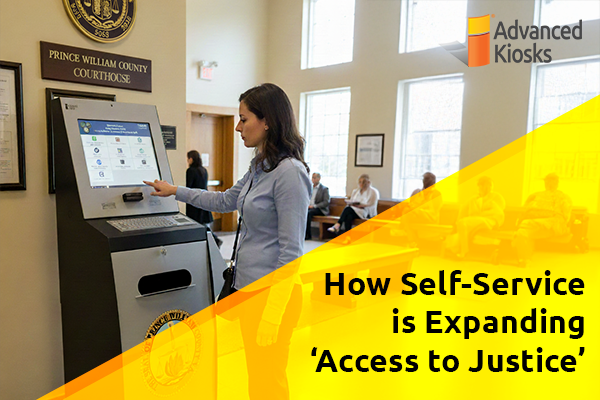
How Self-Service is Expanding ‘Access to Justice’
What is \'Access to Justice\'? Access to Justice is the…
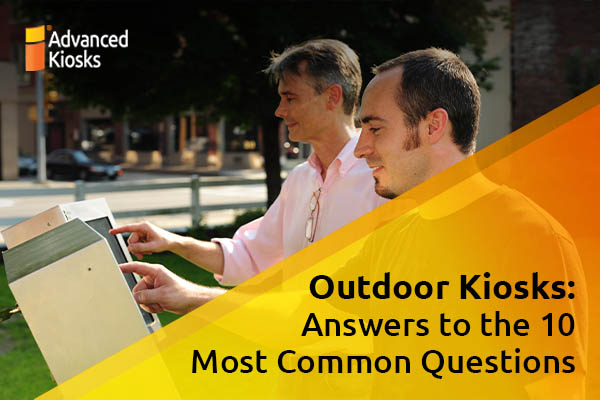
Outdoor Kiosks: Answers to the 10 Most Common Questions
As organizations look to bring services outside the traditional lobby,…
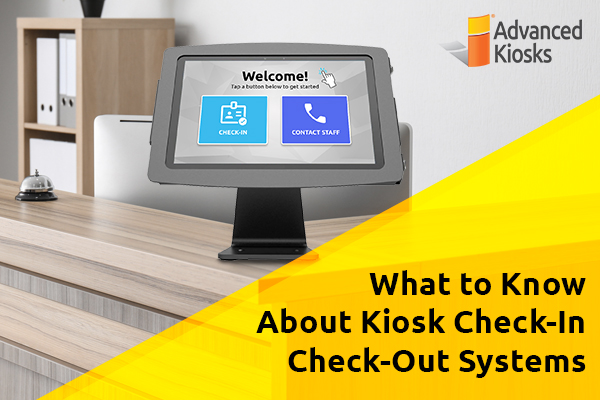
What to Know About Kiosk Check-In/Check-Out Systems
If you\'ve visited a modern government building, healthcare facility or…
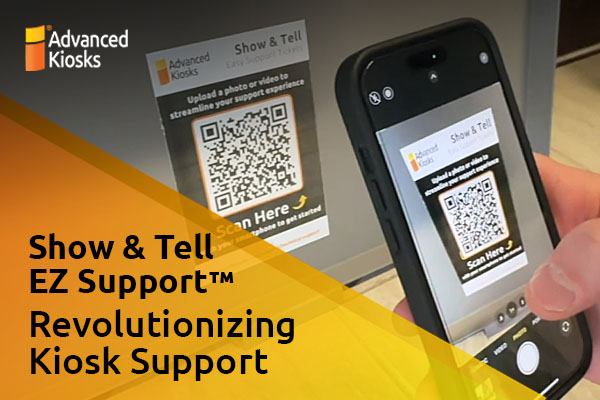
Revolutionizing Kiosk Support with Show & Tell EZ Support
At Advanced Kiosks, innovation is at the heart of everything…
Nine Must-Have Features of a Great Visitor Management System
Your lobby is often the first point of contact for…