
What are the benefits of a hospital kiosk?
Across the country, the healthcare industry is looking to the hospital kiosk as a new way to improve operations. According to Venson Wallin, managing director at BDO Consulting and a member of the BDO Center for Healthcare Excellence & Innovation,
“At the end of the day, that’s what everyone wants; to control admissions and lower costs”.
Many healthcare professionals are looking to technology to provide a solution that does just that: controls admissions while lowering cost. In e medical setting, a hospital kiosk is used primarily for check-in and registration. When implemented correctly, the patient is able to scan their I.D. to register themselves and check-in for appointments. The check-in is then sent to a queuing system, which notifies the registrar and gives the patient an expected wait time.
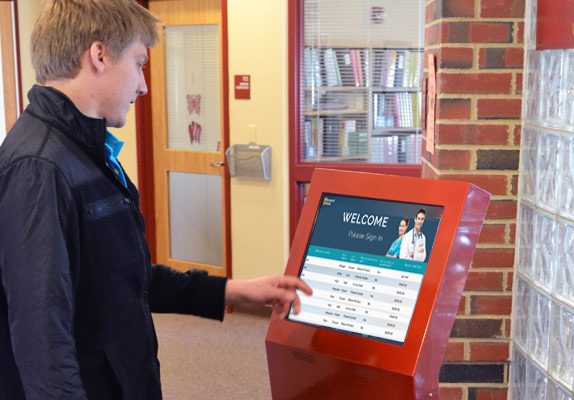
While the patient use the kiosk and checks themselves into the hospital, the employees of the registrar are spending more time focusing on:
- Insurance forms and paperwork
- “Not so simple” registrations
- Phone operation
- Booking appointments
- Transfers and discharges
The truth is that one of the greatest benefits of these kiosks is the positive impact it has for employees. In a study titled A Convenient Truth: Self-Service Works in Healthcare,
“This smart use of the technology has benefited many healthcare organizations. In fact, one large Jacksonville, Fla.-based health system has offloaded 52 percent of patient check-ins to automated check-in devices, which has freed staff to greet patients and focus attention on more complicated questions, thereby enhancing the patient experience” (Dowling).
When you give your registration team more time to finish important tasks, it improves their mood and ultimately creates improved customer satisfaction.
You’ve seen it a million times before. You walk into the doctor’s office and the employee behind the glass has papers everywhere, empty cups of coffee piling up, and s/he doesn’t give you a second glance. It’s not because they’re mean, or they think they have better things to do than take care of you. It’s because the office is understaffed, paperwork has piled up, and the seasonal flu has created an influx of appointments and registrations. Rather than awkwardly tap on the glass and ask for help, only to be met with disdain, let’s add a hospital kiosk to the mix.
Now you walk into the office, and the employee is smiling and waving at you. She gives you the whole “Welcome to _____ hospital! If there’s anything I can do to help you, feel free to ask. You can check in right over here at the check-in kiosk”. You follow the simple steps on the kiosk, check-in, and receive your expected wait time. Now you can sit and relax, and the registration employee is able to finish all of her paperwork right on time. This situation improves the mood of everyone involved, cuts back on wait times, and creates an efficient and productive environment.
 I’m sure the next concern that comes to mind must be, “Okay, but is is really that easy to use for everyone?” From A convenient truth: self-service works in healthcare,
“One of the biggest misconceptions about self-service technology I see among healthcare executives is that if it’s deployed, patients won’t use it. In fact, quite the opposite is true. Surveys by Gartner and other firms show that consumers strongly desire access to self-service options in healthcare” (Dowling).
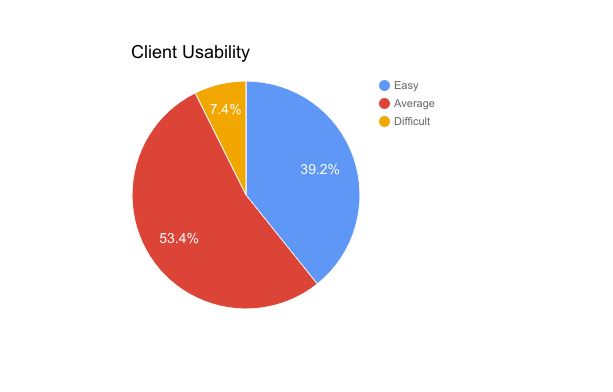
In 2010, Vanguard Urologic Institute implemented kiosks with a survey that allowed their patients to rate the usability of the kiosk. These were the usability results:
- 39.25% of patients found check-in easy
- 53.39% of patients found check-in average
- 7.37% of patients found check-in difficult
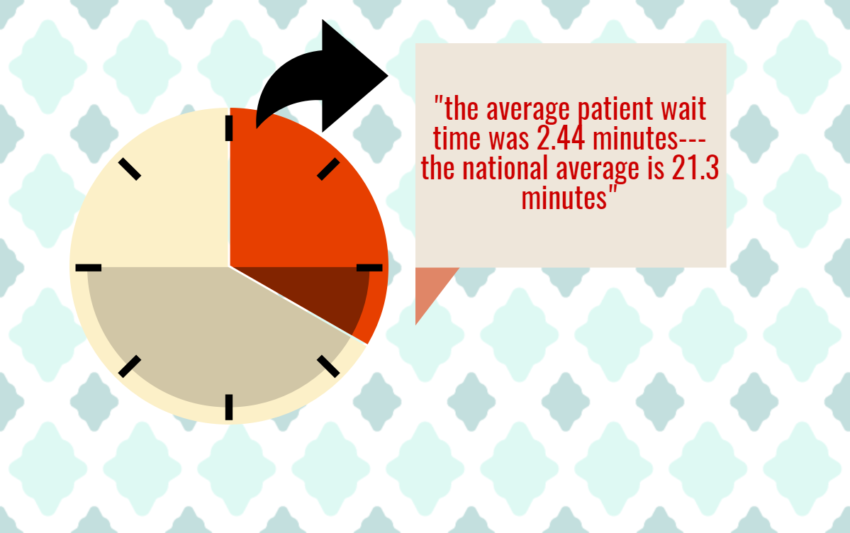
In the same year, “Vanguard saw an average of 15.28 patients per day and the average patient wait time was 2.44 minutes—the national average is 21.3 minutes, according to a 2010 NCR case study”. For the 7.37% who found check-in difficult, an IT team employed by Vanguard found solutions for every user to create the most user friendly interface for its clients.
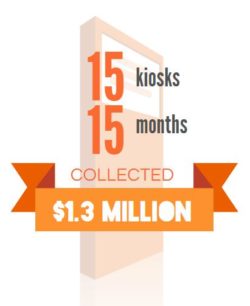
A lot of healthcare center administrators may be hesitant because of the initial cost of the hospital kiosk deployment. While there is a cost to implementing a kiosk, the return on investment is great. “For example, in just 15 months, a children’s hospital in the Midwest collected $1.3 million from 15 self-service kiosks installed in its lobby, which helped to enhance the hospital’s revenue cycle and improve the bottom line” (Dowling). On top of this grand number, the facility also cuts costs on paper resources and by improving customer satisfaction can also increase clientele.
Hospital kiosks are a great tool for healthcare that can be used to improve check-in, registration, wayfinding, information distribution, donations, and much more. The benefits include improved customer satisfaction, decreased wait times, decreased costs on resources, and overall efficiency and functionality. To learn even more about how kiosks can improve healthcare, take a look at these sources.
Internal:
https://advancedkiosks.com/healthcare/st-jude-congrats/
https://advancedkiosks.com/healthcare/patient-check-in-kiosk/
https://advancedkiosks.com/healthcare/healthcare-kiosks-uses-vary-greatly/
https://advancedkiosks.com/healthcare/advanced-kiosks-health-cares-first-line-defense/
External:
Dowling, J. Debunking Myths and Misconceptions about Self-Service Technology. Web. http://www.beckershospitalreview.com/healthcare-information-technology/debunking-myths-and-misconceptions-about-self-service-technology.html 31, Jan. 2014. Accessed 2, Dec. 2016.
Sierra-Cedar 2014-2015 HR Systems Survey, HR Technologies, Deployment Approaches, Integrations, Metrics, and Value. Healthcare Edition. Text. Accessed 3, Nov. 2016.
Dowling, J. A convenient truth: self-service works in healthcare. Healthcare IT News. http://www.healthcareitnews.com/blog/convenient-truth-self-service-works-healthcare Web. 31, Oct. 2013. Accessed 2, Dec. 2016.
Castro, D. Atkinson, R. Ezell, S. Embracing the Self-Service Economy. The Information Technology & Innovation Foundation. http://www.itif.org/files/2010-self-service-economy.pdf 1, Apr. 2010. Accessed 29, Nov. 2016
Webster, A. Patient Check-in Technologies Cut Cost, Wait Times. Web. http://www.healthleadersmedia.com/leadership/patient-check-technologies-cut-cost-wait-times?page=0%2C2# 28, Feb. 2011. Accessed 17, March 2017.